
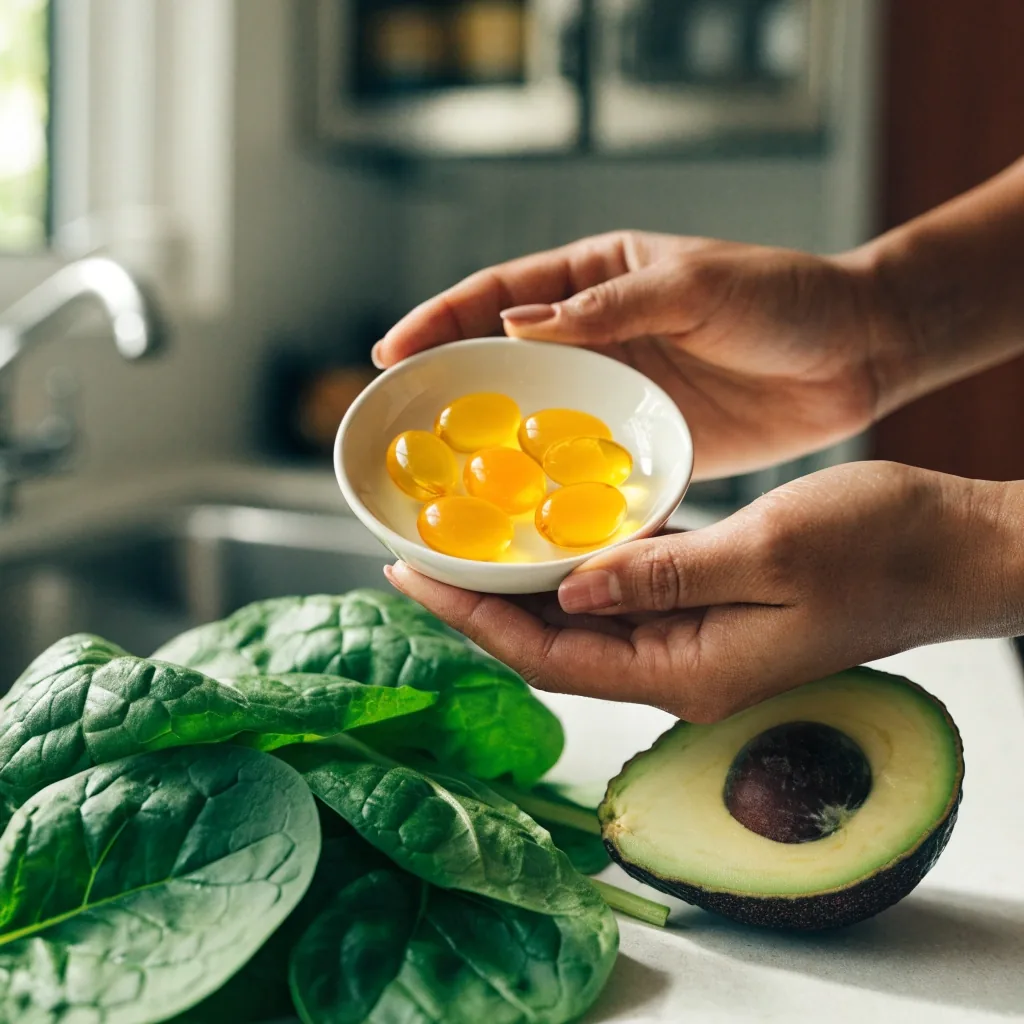
Essential nutrients for healthy eye function
Most people land here wanting to know which nutrients actually matter for their eyes, and which corners of the internet are selling them something. We start with research that is easiest to check: lutein, zeaxanthin, omega-3 fatty acids, zinc, vitamin C, vitamin E and vitamin A, explained in plain terms.
Written for readers in Indonesia. Food first, supplements in proportion.


Start with the macula, not the bottle
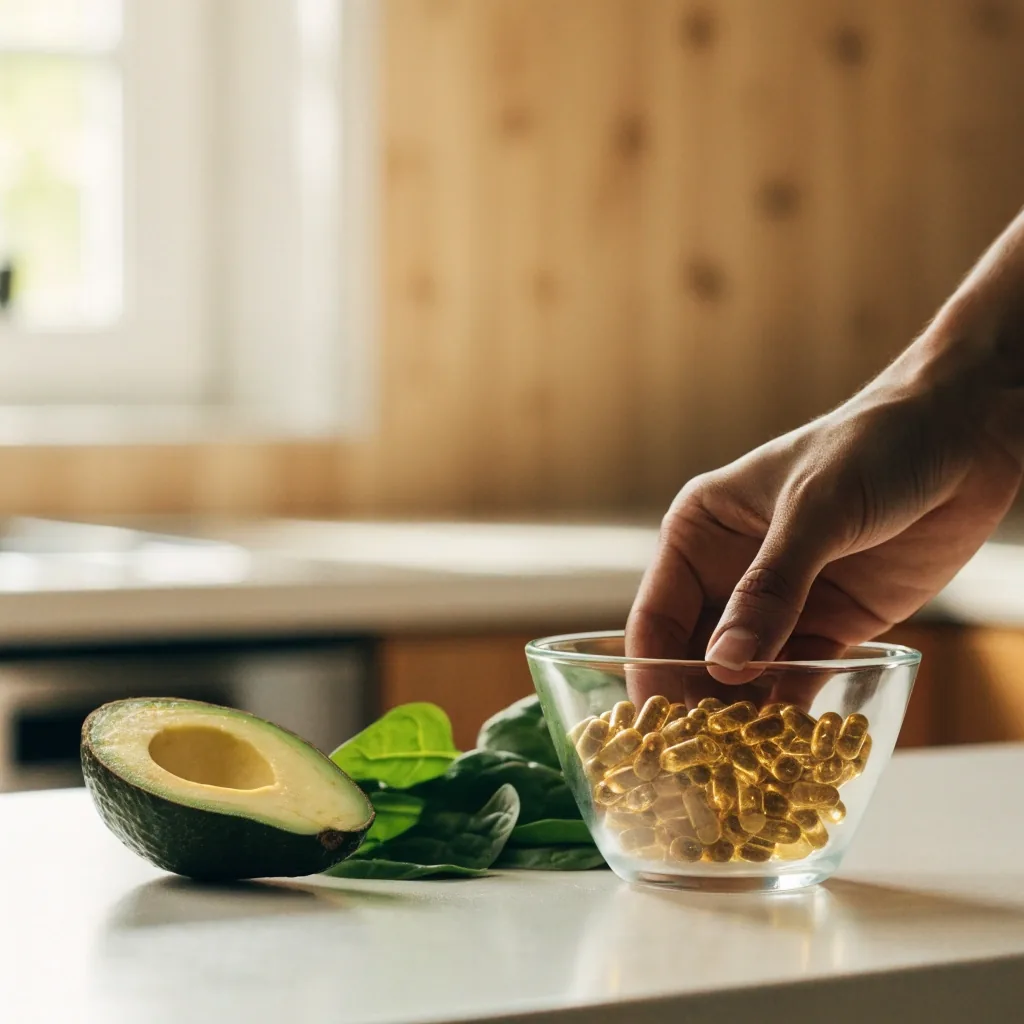
The macula is the small central area of the retina that handles fine detail: reading, recognizing faces, threading a needle. Two pigments sit there in high concentration, lutein and zeaxanthin, and they come almost entirely from food. Spinach, kale and local greens such as kangkung and sawi are dense sources. Egg yolk carries both in a form the body absorbs well. That is why diet advice around eye health keeps returning to the same unglamorous places: dark leafy vegetables and eggs.
Indonesia has its own food reality, and it shapes how we write this resource. Leafy greens like kangkung, bayam and sawi are everyday market vegetables. Fish is a staple for millions of households. So most of what you read here starts with what is on the plate before it gets to what is in a capsule. If you came for supplement information, we cover that too, in proportion.
What the research keeps circling
Lutein and zeaxanthin accumulate in the macula and help filter short-wavelength light before it reaches the photoreceptors. That is the working explanation behind most of the dietary interest in them.
Both are also found in corn, orange peppers and some squash. Absorption improves when you eat them with a little fa, so a drizzle of oil on cooked greens is not a detail. The point is saturation over years, not one meal.

Market before capsule
Most of what this site discusses is already on sale a short walk from home. The pages that follow show which of those everyday foods carry the nutrients with the clearest research behind them, and where a supplement conversation genuinely applies.
Omega-3s: useful, but not a cure-all
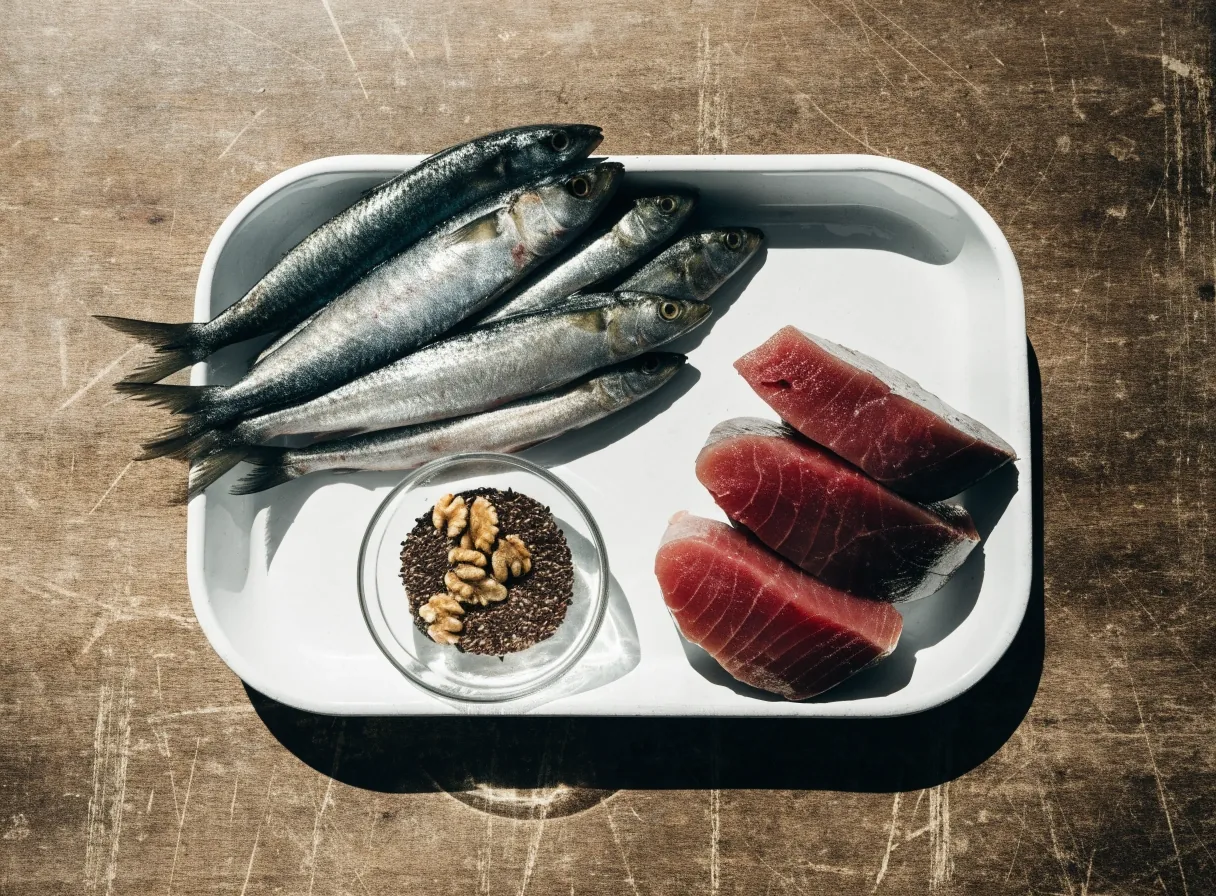
Omega-3 fatty acids come up constantly in dry-eye conversations and in general eye-tissue discussions. They are found in fish like tuna and sardines, and in flaxseed and walnuts. What people often miss is that the evidence is mixed: careful reviews of omega-3 supplements have not shown a clear benefit for age-related macular degeneration.
That distinction matters. Dry eye and AMD are different problems, and a nutrient discussed for one is not automatically supported for the other. We keep the two conversations separate on this site, including where food helps most.
The antioxidant side, and the mineral pair
Three groups carry most of the remaining research attention. None of them works alone, and none is exotic — all three show up in ordinary meals.
Vitamin C, E and A
Vitamin C and vitamin E are both described as antioxidants that help protect cells from oxidative damage, and both appear in research-based eye supplement formulas. Vitamin A matters for the retina in a more structural way.
You will find vitamin C in citrus, kiwi, berries, tomatoes, potatoes and leafy greens; vitamin E in nuts, seeds and vegetable oils; vitamin A via carrots, sweet potato, liver and eggs.
Zinc and copper
Zinc is involved in retinal metabolism and antioxidant defense, and it is one of the minerals included in AREDS-style formulations used for specific AMD cases. Copper appears alongside it for a practical reason: long-term zinc intake can affect copper status, so formulas balance the two.
You will rarely see copper discussed as a standalone eye nutrient, and that is fine. It is a formulation detail, not a headline ingredient. Food sources of zinc include beans, lentils and nuts.
Selenium, the quiet one
Selenium is described by medical sources as an antioxidant mineral relevant to AMD and cataracts, but it appears far less often than zinc or lutein in mainstream eye-health writing. We include it because leaving it out would give you a slightly false picture of the field.
It is typically framed as part of general antioxidant protection rather than something to chase on its own. Brazil nuts, fish and eggs are common food sources.
Where these nutrients actually live
A specimen row rather than a shopping list. Every item below is ordinary market food, and each one carries more than a single nutrient.

Kangkung, bayam, sawi
Everyday market greens and the densest lutein and zeaxanthin source most households already buy. Cook them with a little oil.

Egg yolk
Carries lutein and zeaxanthin in a form the body absorbs well, plus vitamin A. One of the most accessible sources in the region.

Citrus, kiwi, berries
The vitamin C group. Tomatoes, potatoes and leafy greens add to the same daily total without any special shopping.

Nuts, seeds, lentils
Vitamin E, zinc and copper together. Beans and lentils are the least expensive way to cover the mineral pair.
AREDS and AREDS2 in one paragraph
The AREDS formula is a research-based mix of vitamin C, vitamin E, beta-carotene, zinc and copper, studied in people with specific stages of age-related macular degeneration. AREDS2 updated it, replacing beta-carotene with lutein and zeaxanthin; follow-up data described the lutein and zeaxanthin version as more effective and safer than the beta-carotene version.
Neither formula is a general vision supplement. If you have seen them marketed that way, that is a sign to read more carefully. Full detail sits on its own page.
AREDS
Vitamin C, vitamin E, beta-carotene, zinc and copper. The earlier mix, studied in defined AMD groups rather than in the general population.
AREDS2
Same frame with beta-carotene swapped for lutein and zeaxanthin. Follow-up data described this version as more effective and safer than the beta-carotene version.
Who this site is written for
Our readers are mostly in Indonesia, ranging from people in their forties who have started noticing changes in near vision to adult children researching on behalf of parents. Some are managing a diagnosed eye condition with a clinician; most are not.
We write for both without pretending the advice is the same. That is why general nutrition and disease-targeted supplementation are separated here instead of blended into one cheerful article. Food comes first for general eye health; formulas like AREDS2 belong to a specific clinical conversation.
What we do not claim
We do not say any nutrient prevents blindness, cures a condition or restores lost vision. We do not publish invented testimonials or before-and-after stories.
If a claim sounds like it belongs on a bottle rather than in a nutrition article, it probably does not belong here. Where the evidence is mixed, we say so, as with omega-3 supplements and AMD. Where a formula is narrow, we say that too.
A note on expectations
Nutrition for eye health works slowly and unspectacularly. It is a pattern of meals over years, not a switch you flip. That is not a disappointment, it is just how the biology works.
The most useful thing you can take from this site is a clearer sense of which nutrients have real research behind them and which claims are doing more marketing than science. If you are comparing a product against what you already eat, that comparison is where the value sits.
Reading a supplement label without getting fooled
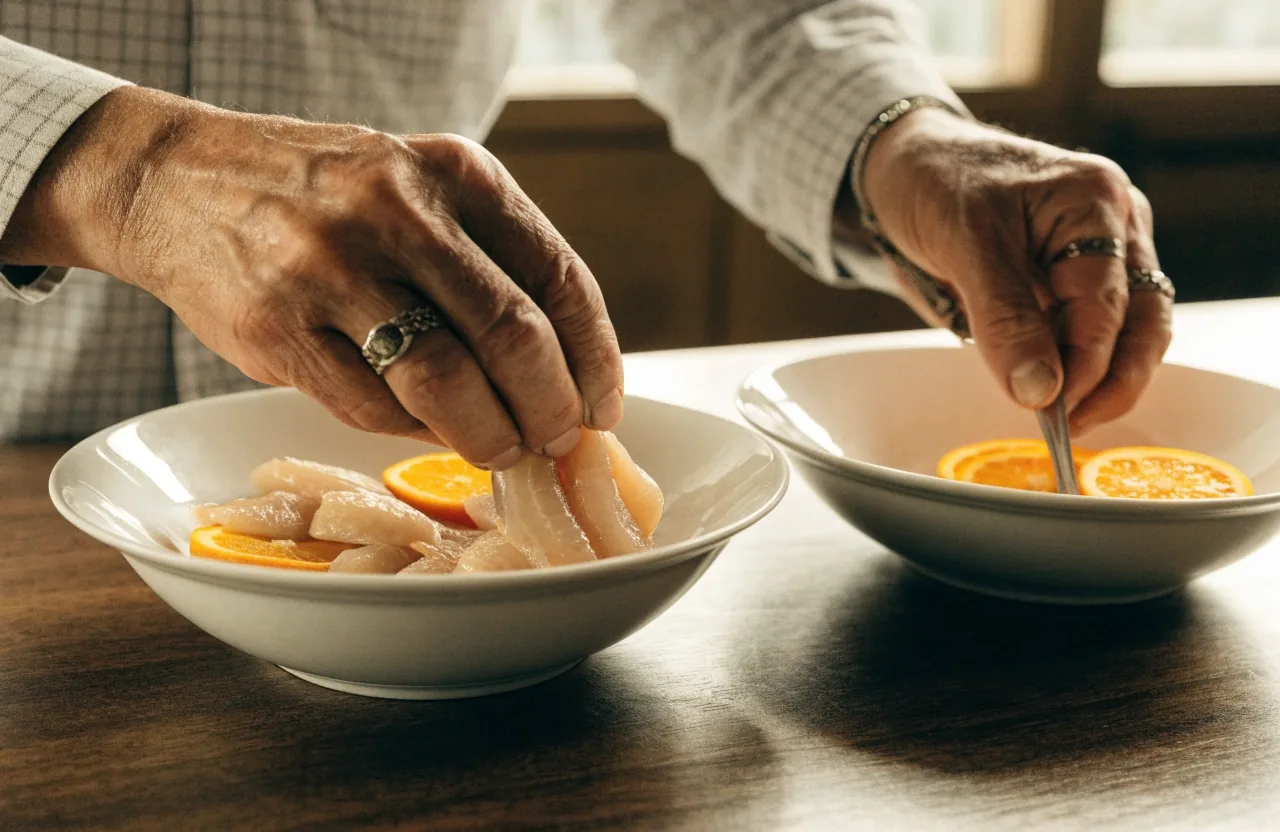
Labels list ingredients, but they also list marketing. Two things help: check whether the formula resembles a studied one, AREDS2 being the most commonly referenced, and look at how many separate capsules a serving actually requires.
A dose split across four capsules tells you something about concentration. We go deeper into label reading, and into when a formula applies at all, on the supplements page.
Questions readers send most
Short answers to the five things people ask before they read anything else on this site.
Which nutrients matter most for healthy eyes?
The ones with the most consistent research attention are lutein, zeaxanthin, vitamin C, vitamin E, zinc and omega-3 fatty acids, with vitamin A and selenium also discussed. None of them works alone. A varied diet covering several of these is more useful than focusing on one.
Do lutein and zeaxanthin really help the eyes?
They accumulate in the macula and help filter short-wavelength light, which is why they get so much attention in eye nutrition. Absorption is better when eaten with some fa, and the effect is about a long-term dietary pattern rather than a quick change.
Should I take eye supplements or just eat the right foods?
For general eye health, food comes first. Supplements are mostly discussed in specific n stages of AMD. That is a conversation to have with a clinician rather than a decision to make from a label.
What is the difference between AREDS and AREDS2?
AREDS used vitamin C, vitamin E, beta-carotene, zinc and copper. AREDS2 replaced beta-carotene with lutein and zeaxanthin; follow-up data described that version as more effective and safer than the beta-carotene version. Both were studied in specific AMD groups, not in the general population.
Can omega-3s help dry eyes?
They are widely discussed for dry eye and appear in fish, flaxseed and walnuts. The evidence is mixed, and reviews of omega-3 supplements have not shown a clear benefit for AMD specifically. Dry eye and AMD are different conditions, so keep the two conversations separate.
Where to go next
Pick the route that matches what you actually came for. Each one is written to stand on its own, so you can read them in any order.
Nutrient by nutrient
Nutrient Guide
What each nutrient does, how absorption works, and which foods carry it. Start here if you want the breakdown rather than the summary.
Formulas and context
AREDS and AREDS2 Explained
The two studied formulas side by side, what changed between them, and which groups they were actually studied in.
Talk to the editors
Contact
Spotted something overstated, or a source we should look at again? Write to us. Corrections from readers are welcome and we act on them.
How this site is kept current
We review pages when meaningful research summaries change, particularly around AREDS2 and omega-3 findings, since those are the areas where public understanding drifts furthest from the evidence.
Corrections from readers are welcome and we act on them. You can reach the editorial team through the contact page. If something here reads as overstated, tell us; we would rather fix it than defend it.
One more thing worth stating plainly: nothing on this page is medical advice, and a dietary supplement is not a medicine. If you are managing a diagnosed eye condition, decisions about supplementation belong with a qualified professional who knows your history.
Insightful Eye Open
Jl. Cikini Raya No. 58, Menteng, Jakarta Pusat 10330, Indonesia
Monday to Friday, 09:00–18:00 WIB
+62 21 5239 4840