
About this resource
About Insightful Eye Open
Insightful Eye Open is an educational resource about eye nutrition, written for readers in Indonesia and published in English. It exists because the gap between what eye-nutrition research covers and what supplement marketing claims is wide, and it is hard to cross without a map. We try to be that map, without selling anything.
What this site covers
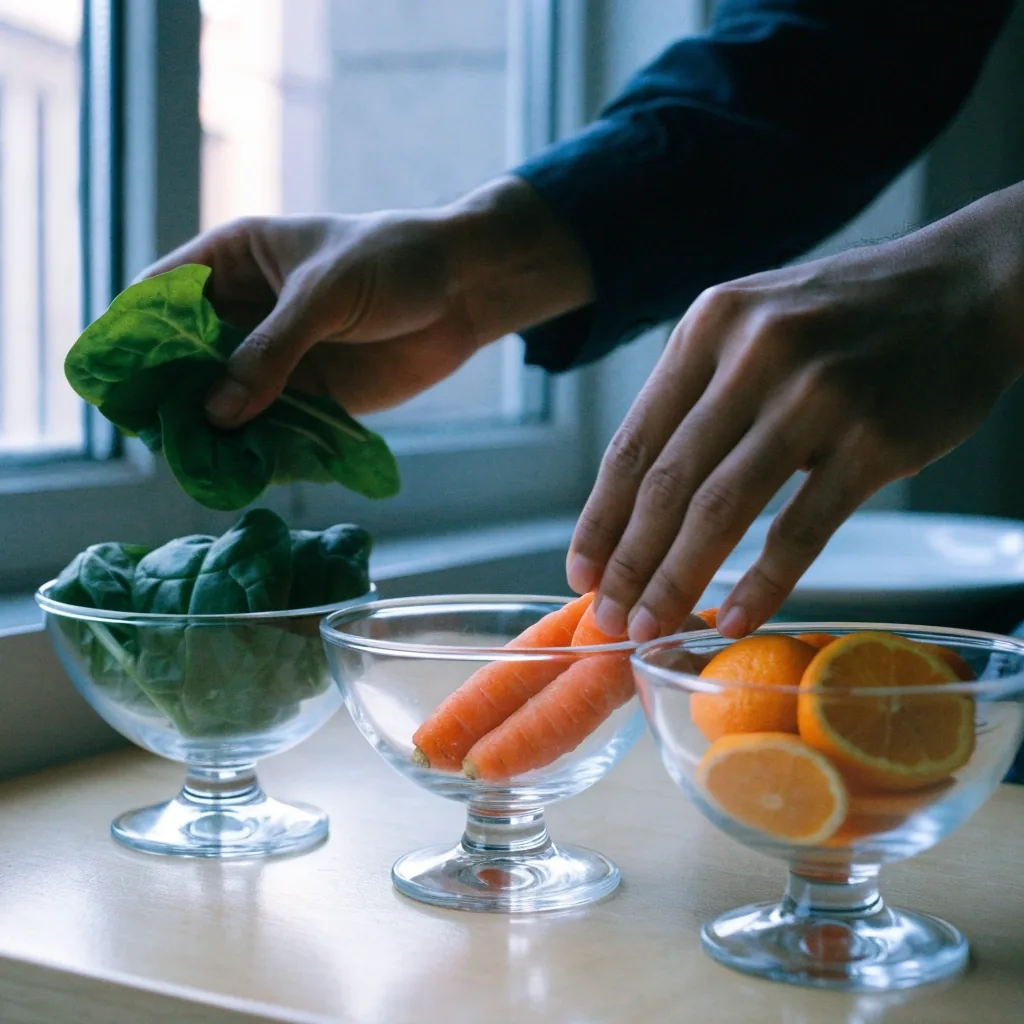
We write about essential nutrients for healthy eye function: lutein, zeaxanthin, vitamin A, vitamin C, vitamin E, zinc, copper, selenium, and omega-3 fatty acids. Each page explains what the nutrient does in the body, where it turns up in food, and how much of the published research actually supports the claim you may have read on a label.
We also cover AREDS and AREDS2 in detail, because those formulations are the most important evidence base in the field and the most frequently misrepresented. Food sources get as much attention as supplements here, and often more. The nutrient guide is the place to start if you want the full list in one pass.
Continue reading
Who writes it
The editorial team
The material is produced by an editorial team that reads primary research summaries and medical publisher guidance rather than supplement marketing. We trawl summaries for what was measured, in whom, and over how long, then compare that with the confident phrasing of a product page.
Where we stop
We are not clinicians, and we do not diagnose or prescribe. Where a topic requires a clinical judgment, we say so and point you toward the person who can make it. That boundary is deliberate and we hold to it.
What that means for you
You will not find dietary instructions here. You will find what the research describes, in plain language, so a conversation with your doctor or optometrist starts from something concrete instead of from an advertisement.
This site covers dietary supplements as a subject of research, not as a product we sell or recommend.
How we research a page
A page here is assembled in a fixed order, and that order is why our sentences read the way they do. We start with what medical publishers and research summaries actually state, then check where popular writing has drifted from it. If the evidence is mixed, the page says the evidence is mixed; omega-3 supplementation for AMD is the clearest example on the site today.
We do not invent statistics, trials, or expert quotes to fill gaps. When we cannot substantiate a claim, it does not go on the page. That sometimes leaves a shorter page than a reader expected, which we treat as accurate rather than incomplete.
-
Read the source
What did the summary guidance say, and what was measured to say it?
-
Compare the drift
Where has popular writing turned a cautious finding into a confident promise?
-
Keep the disagreement
If studies point in different directions, both directions stay on the page.
-
Name the limit
Say what the evidence does not cover, including what is still unresolved.
-
Translate, don't sell
Rewrite into plain language without adding certainty the study did not have.
Why we don't publish testimonials
Reader stories are compelling and easy to manipulate. We do not publish reviews, ratings, or before-and-after accounts, because none of them would tell you whether a nutrient has research behind it. A single compelling account can outweigh a hundred careful paragraphs in a reader's memory, and that is exactly the problem.
What tells you whether a nutrient has research behind it is the evidence itself, described plainly. That makes our pages less exciting than some, and considerably more useful. If you want the reasoning behind a specific finding, each page keeps the general shape of it, and the AREDS pages show the closest thing here to a formal comparison.
What appears here instead
- Nutrients described by their role, not by their promises
- Food sources listed beside supplements, with local produce named
- Limits and open questions kept in the same section as the findings
- A note when a page was revised after a correction from a reader
Keeping pages current
Eye nutrition changes slowly, but it does change. AREDS2's replacement of beta-carotene with lutein and zeaxanthin is the most consequential update in recent decades, and pages referencing these formulas get reviewed when the summary guidance shifts. We also act on corrections from readers. If something here reads as overstated or outdated, we want to know.
Review is quiet work. There is no schedule we can promise you, because the triggers are the quality of new guidance and the arrival of a good correction, not the calendar. A page that has not changed in two years is not neglected; it may simply not have had reason to move.

Reviewing a nutrient page starts with the food we actually cook with and the research summaries that describe it.
The Indonesia angle
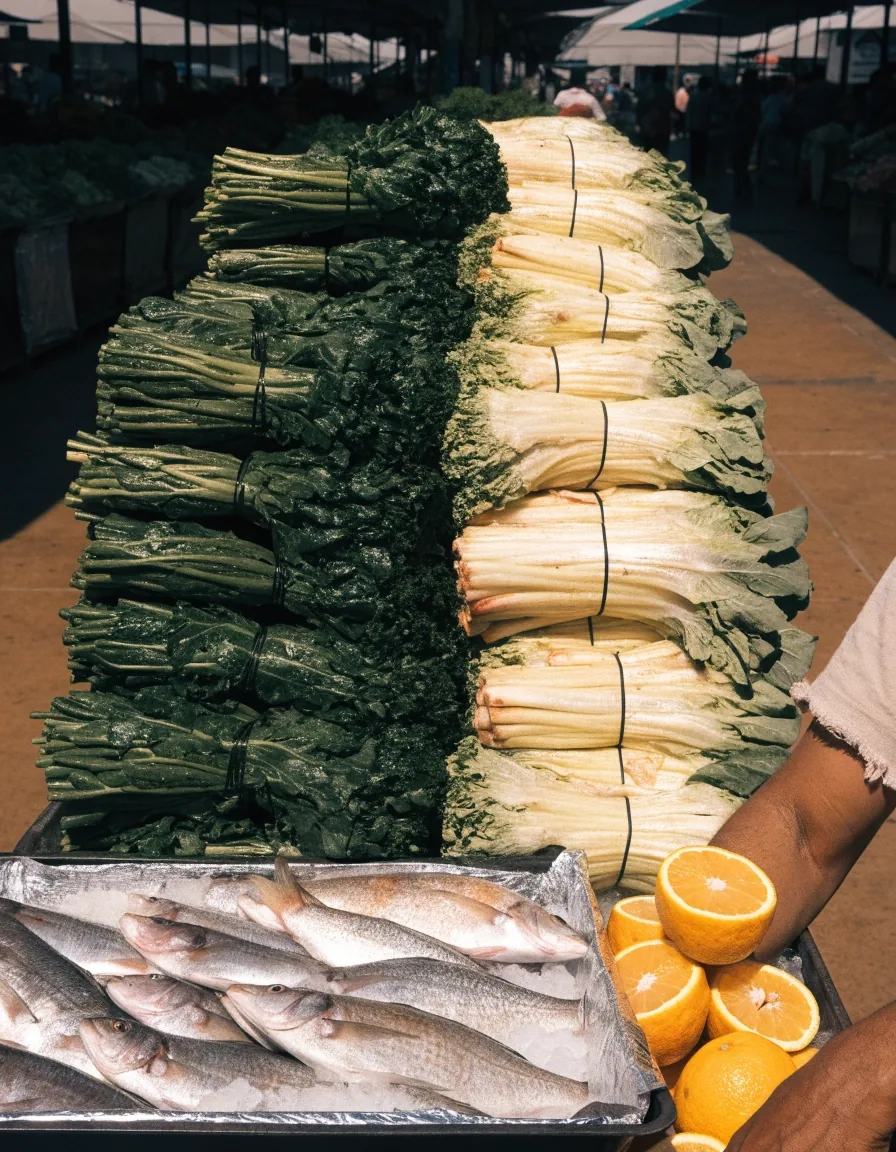
Much of the English-language eye-nutrition writing online assumes a Western shopping list. Our readers cook with kangkung, sawi, tempeh, and fresh fish, and those matter for how the advice lands. So we name local foods where they fit and note where a recommendation assumes an ingredient that is expensive or hard to find here.
Practical relevance is part of accuracy. A nutrient list that sends you to a specialty store for something a pasar stall already sells is a worse list, even if every number on it is right. The food sources pages carry this work, and they are the pages we revise most often.
Everyday sources we write around
What we don't do
We do not sell supplements, recommend specific brands, or accept product placement. We do not claim any nutrient prevents a disease or restores vision. We do not use prestige language to make ordinary findings sound more dramatic than they are. If a sentence on this site could have come from a supplement advertisement, it is a mistake we would rather fix.
The same rule applies to this page. Nothing here should read as a reason to buy something, and nothing here should be read as medical advice. If you are weighing a supplement, the useful first question is what the research on that nutrient actually measured, and the second is whether it applies to your situation. A pharmacist or doctor can help with the second one.
If you want to go further
How to reach us
Corrections, questions, and topic suggestions all go through the contact page. We read everything, even when a reply takes a few days. If you have spotted an error, saying which page and which sentence helps a lot. Readers who write in have improved this site more than once.
Questions about supplements in general are welcome too, though we will answer with what the research describes rather than with a recommendation for your situation. For anything that turns on your own health, a clinician is the right person and we will say so.
Editorial desk
- [email protected]
- Phone
- +62 21 5239 4840
- Post
- Jl. Cikini Raya No. 58, Menteng, Jakarta Pusat 10330, Indonesia
- Hours
- Monday to Friday, 09:00–18:00 WIB
Start with the nutrient guide, or ask us a question
Both routes are open. The guide is where the full list of nutrients, food sources and research context lives; the contact page is where corrections and questions land with the editors.